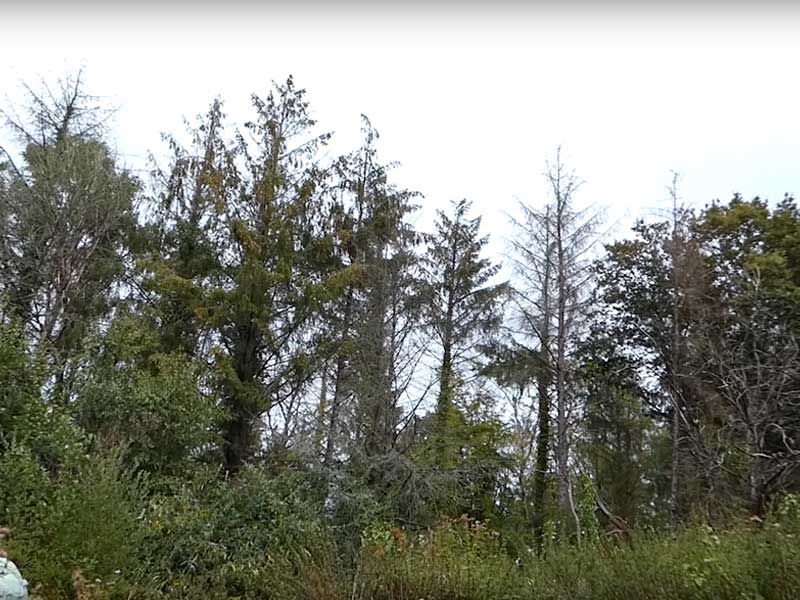
Scientists in many fields and industries are currently worried about the increase in seasonal and average annual temperatures, which are breaking all records of values known since the beginning of their tracking - that is, over the past 200 years. This increase is observed globally across the planet, but may be unevenly distributed across climatic zones and regions. For example, if the increase in average annual temperature across the globe over the past 10 years has grown by 1-1.5 degrees Celsius, then in Ukraine this value for the same period was 3 degrees Celsius, which led to changes in the flora and fauna and even in bird migration, since previously such values were normal for regions 800-1000 km to the south. These changes also affected the forest cover, which is often called the "lungs of the planet."
Even 10-20 years ago, in a hot dry year, forestry workers in Ukraine noticed a significant increase in the scale of forest diseases and the multiplication of areas affected by wood pests. And if earlier, the appearance of woodworm, woodworm and bark beetles was noted mainly on diseased trees, then with the increase in temperature, their populations have grown catastrophically and spread to living and healthy areas of the forest, and threaten the loss of huge areas. Considering that in countries where forest resources are decisive and strategically important, for example, in Ukraine, or in the neighborhood "behind the curb", damage by bark beetles is already called a "ubiquitous phenomenon". It is worth noting that colonies of woodworm and bark beetle mainly affect European spruce (smereka), since due to drought, the already low percentage of resin content in its wood decreases, which, under normal conditions, prevented the spread of pests.
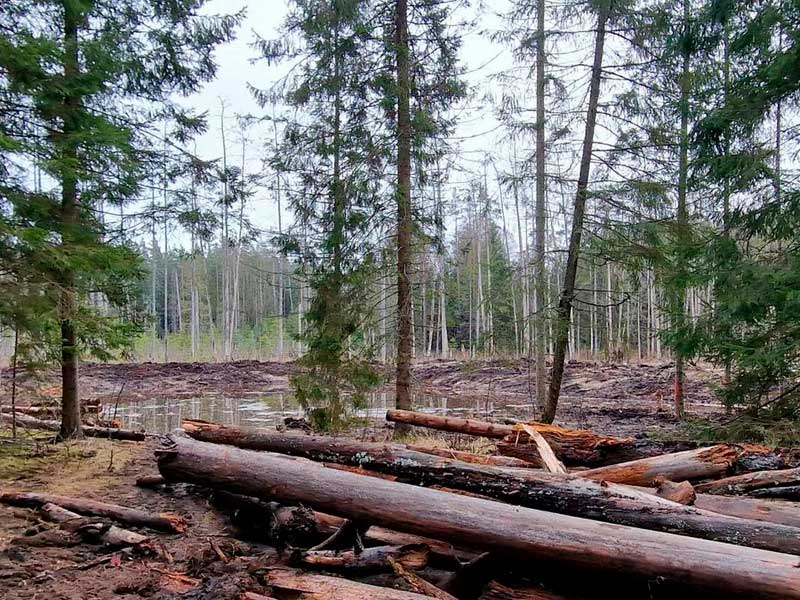
Since it is dangerous to ignore this phenomenon, various precautions are taken. For example, in a country with a “war cult,” affected areas of forest are simply cut down, sometimes selling low-grade timber on the domestic market. 🙂
In Europe too, this problem is a very serious threat! This morning BBC News published an article by Helen Burchell “Spruce tree planting ban over beetle pest fears” where it was said that:
“The planting of new spruce trees has been banned in parts of East Anglia and South East England as part of new measures to limit the impact of an invasive beetle. Ips typographus, or the greater eight-toothed European spruce bark beetle, is a serious pest of spruce trees in Europe and was first detected in the UK in Kent in 2018. ... the measures are needed “to limit the spread of the beetle and protect trees, forestry and the timber industry.
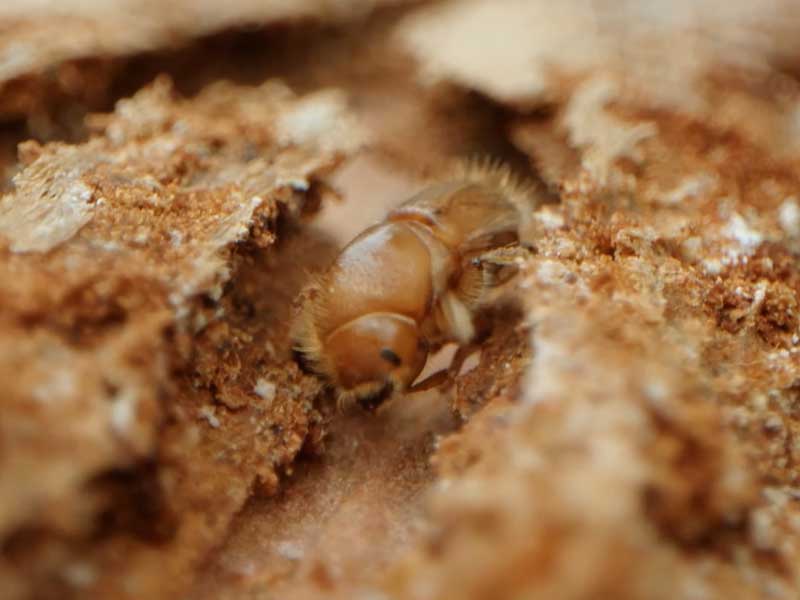
However, unlike the common woodworm, where only the larva causes harm, the bark beetle is more dangerous and is a pest at all stages of its life, since its life mainly takes place in the wood pulp under the bark. That is why in the UK they decided to limit the planting of European spruce in some regions where there is a risk of losing forest resources.
As for the Ukrainian spruce forests, the issue of combating its pests remains open not only because of the ongoing war. One thing is clear: quality spruce wood products will increase in price, and fungicidal wood protection methods will require special attention and new approaches to preserve the precious natural resource and future commercial product.
As for everyday life, from now on it may be worth checking the condition of your wooden buildings and products more often. Do not take the appearance of woodworm and especially bark beetles lightly. Because it is cheaper to carry out preventive treatment with protective agents than to deal with the consequences of a more serious problem, which is much more difficult to defeat!
